
"bean species"
20000 article(s) found

Fine Coffee Science explains in detail the three native species of coffee
Coffee, we generally refer to the finished product: the coffee we drink, also refers to coffee beans. Coffee belongs to the evergreen shrub of the genus Coffee of Rubiaceae. Coffee has some medicinal effects, such as waking up the brain, strengthening the stomach, stopping bleeding, dissipating heat, strengthening the body, etc., hee hee, if anyone is blinded by love, have a cup of coffee to wake up! There are about 40 species of coffee plants, but they can produce commercially valuable

The relationship between Yunnan small Coffee and Katim Coffee beans Why does Catimor Katim's hand flush taste bad?
Professional coffee knowledge exchange more coffee bean information please follow the coffee workshop (Wechat official account cafe_style) small-grain coffee [scientific name] small-grain species is Coffea arabica L., medium-grain species is Coffea canephora, large-grain species are Coffea liberica family: Rubiaceae coffee genus [alias] small-grained species also known as Arabian species, medium-grained species also known as Ganfla species, large-grained species

Yunnan boutique coffee single coffee Yunnan coffee cultivation
Tasting coffee beans must be excellent varieties, such as the original bourbon species, mocha species and Tippica species. The coffee beans produced by these trees have unique aroma and flavor, which are far from being compared with other tree species, but the relative yield is low. in recent years, in order to pursue the ability of disease and insect resistance and increase the yield, there have been many improved tree species, such as the high-yield rurial11 species in Kenya, but

High-quality and delicious Coffee Bean Flavor and Flavor characteristics of Ganzhuang Garden in Kahayang, Indonesia
People like to compare the robusta species to the Arabica species of coffee. In fact, the robusta species was originally a mutant of the Congolese species (scientific name Cofffea canephora), so it is the Congolese species that should be compared with the Arabica species. To this day, however, the name of the Robusta species is commonly used by the public, and it is regarded as the same species as the Congolese species in the world market.
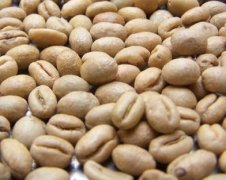
Common sense of high-quality coffee raw beans varieties of raw coffee beans
Coffee is the first tropical cash crop in terms of output, consumption and economic value among the three major beverages in the world. it is the second raw material after international trade relay oil, and it is also one of the largest tropical food raw materials in the world. The coffee variety garden covers an area of 3 mu, which mainly lies in the collection and preservation of coffee variety resources. the varieties are carried out on the basis of the observation of its botanical and biological characteristics.

What is the Elaraby card-derived species | how to distinguish Arabica from robusta beans
Professional coffee knowledge exchange more coffee bean information please follow the coffee workshop (Wechat official account cafe_style) Bun (this is the earliest human history to describe the characteristics of coffee, but also the earliest name of coffee, Ethiopia still calls coffee (Buna). The main producing area of Buna in Ethiopia comes from the Kafa forest in the southwest, with scholars and experts.

Three native species of coffee, Arabica, Robusta.
Coffee, we generally refer to the finished product: the coffee we drink, also refers to coffee beans. Coffee belongs to the evergreen shrub of the genus Coffee of Rubiaceae. Coffee has some medicinal effects, such as waking up the brain, strengthening the stomach, stopping bleeding, dissipating heat, strengthening the body, etc., hee hee, if anyone is blinded by love, have a cup of coffee to wake up! There are about 40 species of coffee plants, but they can produce commercially valuable
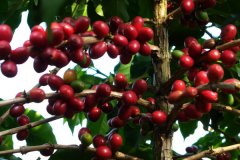
Blue Mountain Fine Coffee Jamaican Coffee
Boutique coffee beans must be excellent varieties, such as the original bourbon species, mocha species and Tippica species. The coffee beans produced by these trees have unique aroma and flavor, which is far from that of other tree species, but the relative yield is low. in recent years, in order to pursue the ability of disease and insect resistance and increase the yield, there have been many improved tree species, such as the massive promotion of high-yield rurial11 species in Kenya.

Kaha Yang Gan Manor Coffee Manor in Indonesia Kopi Luwak
Arabica coffee beans grow in tropical colder high-altitude areas, and the hot and humid zone that is not suitable for Arabica coffee is where robusta coffee grows. Robusta has a unique aroma (called Rob smell, which some people think is musty) and bitter, accounting for only 2% of mixed coffee. 3% of mixed coffee, the whole cup of coffee becomes Robusta flavor. Its flavor

Basic knowledge of coffee varieties classification of coffee introduction to Arabica coffee
For more information on coffee beans, please pay attention to the coffee workshop (Wechat official account cafe_style) species in sexually reproducing organisms (such as higher plants, such as coffee), species are made up of individuals who can reproduce each other to produce viable offspring. Variety botany is below the species and subspecies level, above the morphological level (morphology /

A brief introduction to the classification of Arabica beans Blue Mountain Coffee belongs to Arabica's powerful genetic myth.
Professional coffee knowledge exchange more coffee bean information please follow the coffee workshop (Wechat official account cafe_style) front street-Arabica coffee bean variety introduction Arabica species account for 70% of all coffee production, is the most important commercial coffee bean. Arabica species were introduced into Europe from the Arab region and can be divided into Tibika species and Bourbon subspecies according to their different places of introduction.

Katim Coffee Bean Flavor description method introduction to the characteristics of varieties and the degree of taste grinding
Katim Coffee Bean introduces that some varieties are derived from natural genetic mutations, while others are the products of artificial cross breeding or acquired breeding of native species. Arabica species are self-pollinating plants, and their genetic lineage should be quite pure. However, Tibika species and bourbon species have been brought to new countries, foreign climate conditions lead to natural gene mutations, and cultivated new varieties

What kind of coffee beans are made by hand? what kind of coffee beans can be made and tasted good?
Professional coffee knowledge exchange more coffee bean information Please pay attention to the coffee workshop (Wechat official account cafe_style) the determinants of a good cup of coffee, 70% comes from the internal quality of beans, while the quality of beans lies in the variety, good varieties grow and blossom and bear fruit in a suitable micro-climate environment, after appropriate post-processing (washing / sun / semi-washing / honey place) after harvest

Caffeine content of Liberian species-caffeine content of all kinds of coffee
Caffeine content of Liberian species-caffeine content of all kinds of coffee (Coffealiberica), West Africa is the origin of Liberian coffee, whether it is high or low temperature, humid or dry environment, it has a strong adaptability, but it is not resistant to leaf rust and its flavor is worse than that of Alabica robusta species, scientific name coffee RobustaLind.
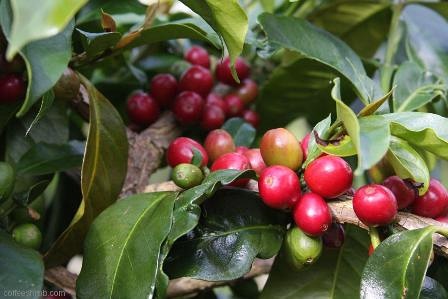
Is the SHB Kaddura of Ireta Manor in Panama a Robbata species or an Arabica species? Coffee
Global coffee bean tree species are mainly divided into: Arabica and Canephora, of which Arabica coffee beans account for more than 100 coffee varieties of 70%80%coffee. The more common coffee varieties are: Arabica Arabica, with outstanding personality and unique flavor, is the main force of boutique coffee, mainly used in coffee shop management and high-end coffee market supply; Robsta
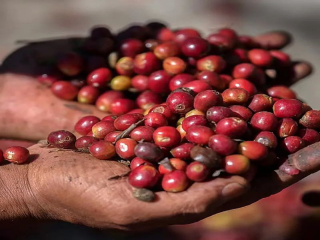
What is the Ethiopian local species? What does it have to do with Heirloom native species?
When we buy Ethiopian coffee beans, the name "Heirloom" is very common. It translates to "native species" or "family heirloom" in Chinese, which generally refers to mixed coffee varieties. But in the past two or three years, another term "Landr" has been marked on the packaging of some Essex beans.

Uganda native species-washed Bugisu AA Coffee detailed description of flavor and taste
Professional baristas exchange please follow the coffee workshop (Wechat official account cafe_style) Uganda boutique Bugisu Uganda AA.... The Great Rift Valley of East Africa (Rift Valley) connects Lake Weidoria and Mount Elgon is a famous and important boutique coffee belt in East Africa. The east side of Mount Elgon is one of the important coffee producing areas in Kenya, while the west side of Mount Elgon, that is, the west side of Uganda.
Basic knowledge of coffee varieties of raw coffee beans
Coffee is the first tropical cash crop in terms of output, consumption and economic value among the three major beverages in the world. it is the second raw material after international trade relay oil, and it is also one of the largest tropical food raw materials in the world. The coffee variety garden covers an area of 3 mu, which mainly lies in the collection and preservation of coffee variety resources. the varieties are carried out on the basis of the observation of its botanical and biological characteristics.
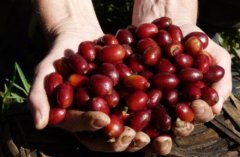
Coffee beans original Arabica, Robasta, Riperica, Exelsa
There are four original species of coffee: Arabica species in Ethiopia, Robasta and Riperica species in Congo, and Exelsa. The original species are used for breeding and research. So far, there are more than a hundred coffee varieties in the world, of which 76% are Arabica, and 24% are Robasta and Riperica. A: Arabica species (Arabica): at present
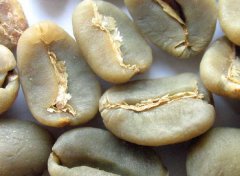
Coffee tree species
Coffee species Coffee trees can be divided into two main varieties: Arabica (Arabica) and Robusta (Robusta). There are also some minor species, such as the Liberian species (Liberica) and the Alabasta species (Arabusta), but they are rare on the market. Although Arabica and Roberta are widely cultivated, there are significant differences between them.